Author: Razib

  • What Can an Area Code Tell You About a Phone Number?

    What Can an Area Code Tell You About a Phone Number?

    TL;DR

    An area code reveals the geographic region where a phone number was originally assigned, whether it’s a landline or mobile number, and can help identify potential spam or scam calls. While area codes once definitively indicated a caller’s physical location, number portability and VoIP services have made this information less reliable. Area codes can still provide valuable clues about unfamiliar callers, help you recognize local versus long-distance calls, and serve as an initial screening tool for unwanted communications.

    Geographic Location and Regional Identity

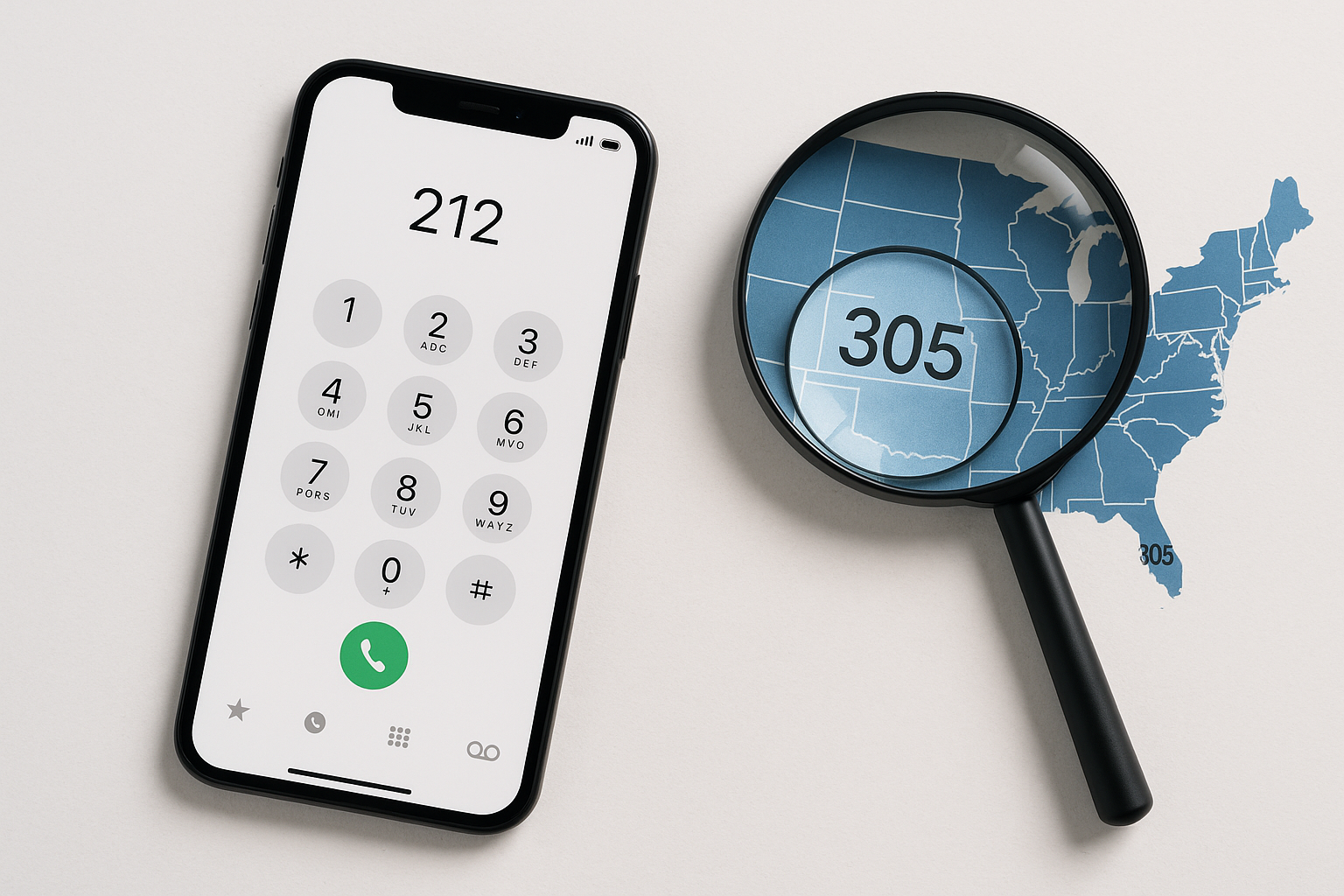
    The most fundamental piece of information an area code provides is geographic origin. When the North American Numbering Plan was established in 1947, area codes were designed to divide the United States, Canada, and several other territories into distinct regions. Each three-digit area code corresponds to a specific geographic area, ranging from entire states or provinces to portions of major metropolitan areas. For example, area code 212 represents Manhattan in New York City, while 907 covers the entire state of Alaska.

    This geographic coding system allows you to immediately recognize where a phone number originated. If you receive a call from area code 305, you know it was assigned in Miami-Dade County, Florida. Similarly, 415 indicates San Francisco, and 312 points to downtown Chicago. This information becomes particularly useful when you’re expecting calls from specific regions or trying to determine whether an unfamiliar number might be legitimate based on its location.

    However, the relationship between area codes and geography has become more complex over time. As population growth and the proliferation of mobile devices exhausted available numbers in certain regions, overlay area codes were introduced. In these cases, multiple area codes serve the same geographic region. Los Angeles, for instance, has numerous overlapping area codes including 213, 323, 310, 424, and 818, all serving different parts of the metropolitan area or sharing the same territory.

    Landline Versus Mobile Classification

    While area codes don’t explicitly distinguish between landlines and mobile phones in North America, they can provide context clues about the type of line. Unlike many countries that assign specific prefixes to mobile numbers, the United States and Canada use the same numbering format for both landlines and mobile devices. This means a number with area code 617 could belong to either a Boston-area landline or a mobile phone that was originally activated in that region.

    The inability to distinguish mobile from landline numbers based on area code alone has practical implications. Businesses cannot automatically identify whether they’re calling a mobile device, which matters for compliance with regulations governing automated calls and text messages. Similarly, individuals cannot assume that a call from a local area code is coming from a traditional landline business versus a mobile user.

    That said, newer area codes created specifically to accommodate mobile phone growth may statistically have higher concentrations of mobile numbers. When an area code is introduced or overlaid to address number exhaustion driven primarily by cellular adoption, many of those numbers will naturally be assigned to mobile carriers rather than landline providers.

    Number Portability Limitations

    The introduction of local number portability in 2003 fundamentally changed what area codes can tell you about current phone number ownership. This regulatory requirement allows consumers to keep their phone numbers when switching service providers or moving between landline and wireless services within the same geographic area. More significantly, many carriers now allow customers to retain their numbers even when relocating to different regions entirely.

    This portability means that someone with a 404 Atlanta area code might have moved to Seattle years ago but kept their original number. College students often maintain their hometown area codes throughout their years away at school and sometimes permanently. Business professionals who relocate frequently may prefer to keep a single number for consistency, regardless of where they physically reside.

    The practical consequence is that an area code now indicates only where a number was initially assigned, not necessarily where the current user lives or operates. When you receive a call from an unfamiliar area code, you cannot definitively conclude the caller’s present location. This uncertainty complicates efforts to screen calls based on geographic relevance and makes area codes less useful for confirming a caller’s claimed location.

    Identifying Potential Scams and Spam

    Area codes have become an important tool for recognizing potential scam calls and unwanted solicitations. Certain patterns in area code usage can signal suspicious activity. One common scam technique involves “neighbor spoofing,” where scammers manipulate caller ID to display a number with the same area code and sometimes even the same three-digit prefix as your own number. The psychology behind this tactic is that people are more likely to answer calls that appear to originate from their local area.

    According to the Federal Trade Commission’s consumer guidance, unexpected calls from unfamiliar numbers in your area code deserve extra scrutiny, especially if you don’t recognize the specific number. Legitimate local businesses or contacts you actually know would typically be saved in your phone’s contact list.

    Certain area codes have also gained reputations as sources of robocalls and telemarketing due to the concentration of call centers or VoIP services operating from those regions. Some scammers use obscure or rarely-seen area codes to pique curiosity and encourage callbacks, sometimes leading to premium-rate numbers that charge high fees. Being familiar with common scam area codes and patterns helps you make informed decisions about which calls to answer or return.

    VoIP and Virtual Numbers

    Voice over Internet Protocol services have further complicated the relationship between area codes and physical location. VoIP providers allow users to select virtually any available area code when establishing service, regardless of where they actually live or operate. A business operating entirely in Texas could choose a New York City area code to establish a presence in that market, or an individual living in Florida might select a California area code for personal reasons.

    Virtual phone services, commonly used by remote workers, distributed businesses, and privacy-conscious individuals, make area codes even less meaningful as location indicators. These services can provide local numbers in dozens or hundreds of area codes simultaneously, routing calls through the internet to wherever the user happens to be. This flexibility is valuable for legitimate business purposes but also creates opportunities for deceptive practices.

    The proliferation of VoIP technology means that receiving a call from a specific area code provides almost no certainty about where the call actually originates. International scammers can easily obtain US area codes through VoIP services, making their calls appear domestic. This technological reality requires consumers to look beyond area codes when assessing call legitimacy and to rely on additional verification methods.

    Toll-Free and Special Service Codes

    Beyond standard geographic area codes, special three-digit codes provide specific information about the nature of a phone number. Toll-free numbers using area codes 800, 888, 877, 866, 855, 844, and 833 indicate that the called party pays for the call rather than the caller. These numbers are commonly associated with customer service lines, business hotlines, and national organizations.

    Premium-rate area codes like 900 signal that calls will incur charges beyond standard rates, typically used for entertainment services, technical support, or information lines. The 411 directory assistance code and 511 traveler information service represent other specialized uses. Area code 710 is reserved for federal government use, while 456 is designated for inbound international calls.

    Recognizing these special codes helps you understand what type of service you’re calling or being called by, potential costs involved, and the general nature of the organization behind the number. While they don’t reveal geographic location like standard area codes, they provide different but equally useful information about phone number purpose and ownership.

    Historical and Cultural Context

    Area codes carry historical significance and cultural associations that extend beyond their technical function. Original area codes assigned in 1947 followed a system where states or regions with the highest call volumes received codes that were fastest to dial on rotary phones. This is why New York received 212, Los Angeles got 213, and Chicago was assigned 312—all featuring low numbers that required less time to dial.

    Certain area codes have developed prestige or recognition that affects their desirability. Manhattan’s 212 area code is highly coveted and has become a status symbol, with new assignments extremely rare. Similarly, area codes associated with major cultural or economic centers often carry more cachet than those from less prominent regions. This has created a secondary market where desirable numbers in specific area codes command premium prices.

    The cultural identity associated with area codes means they can tell you something about how a business or individual wishes to be perceived. A company choosing to maintain a Silicon Valley area code even after relocating signals its connection to tech industry prestige. Someone proudly keeping their hometown area code after moving away demonstrates attachment to their roots. These subtle social signals add another dimension to what area codes communicate beyond pure geography.

    Frequently Asked Questions

    Can I determine if a phone number is a cell phone or landline from the area code alone?

    No, you cannot distinguish between cell phones and landlines based solely on the area code in North America. Unlike some countries that assign specific prefixes to mobile numbers, the United States and Canada use the same numbering system for both landlines and mobile devices. You would need to use a specialized phone number lookup service or carrier database to determine the line type associated with a specific number.

    Does an area code tell me where someone is currently located?

    Not reliably. While area codes indicate where a phone number was originally assigned, number portability allows people to keep their numbers when moving to different regions or switching carriers. Additionally, VoIP services let users select area codes unrelated to their physical location. An area code shows only the original assignment location, not the current user’s whereabouts.

    Why do I receive calls from my own area code that I don’t recognize?

    This is likely “neighbor spoofing,” a common scam tactic where callers manipulate caller ID to display a number with your area code and sometimes your prefix. Scammers use this technique because people are more inclined to answer calls that appear local. If you don’t recognize the specific number and weren’t expecting a call, approach these with caution regardless of the familiar area code.

    Are certain area codes more associated with spam calls than others?

    While spam can originate from any area code, some patterns emerge due to concentrations of call centers or VoIP services in certain regions. However, scammers frequently spoof area codes to appear local to their targets, so the displayed area code may not reflect the actual origin. The content and context of the call matters more than the area code for identifying spam.

    What do area codes starting with 8 mean?

    Area codes beginning with 8 are toll-free numbers, where the receiving party pays for the call rather than the caller. These include 800, 888, 877, 866, 855, 844, and 833. They’re commonly used by businesses for customer service, sales lines, and support hotlines. These codes don’t represent geographic locations but indicate a billing arrangement and typically suggest a business or organizational number.

    Can businesses have area codes from regions where they don’t operate?

    Yes, particularly with VoIP services. Businesses can obtain phone numbers with area codes from regions where they have no physical presence to create a local appearance in markets they serve remotely. This is completely legal and common for distributed companies, remote workers, and businesses expanding their geographic reach without opening physical offices.

    How can I find out what region an unfamiliar area code represents?

    You can look up area codes through various online directories and databases that map area codes to their assigned geographic regions. Many websites and mobile apps provide this information, showing you which state, province, or metropolitan area a particular area code serves. Keep in mind this shows only the assignment region, not necessarily where the current caller is located.
  • International Phone Number Lookup Explained

    International Phone Number Lookup Explained

    TL;DR

    International phone number lookup is a process that identifies the origin, carrier, and sometimes the owner of a phone number from anywhere in the world. These services use databases containing information about phone number allocations, country codes, and telecommunications data to provide details about callers before you answer or return calls. While basic information like country and carrier is typically available, obtaining personal details about the number’s owner often requires specialized services and must comply with privacy regulations in different jurisdictions.

    Understanding International Phone Numbers

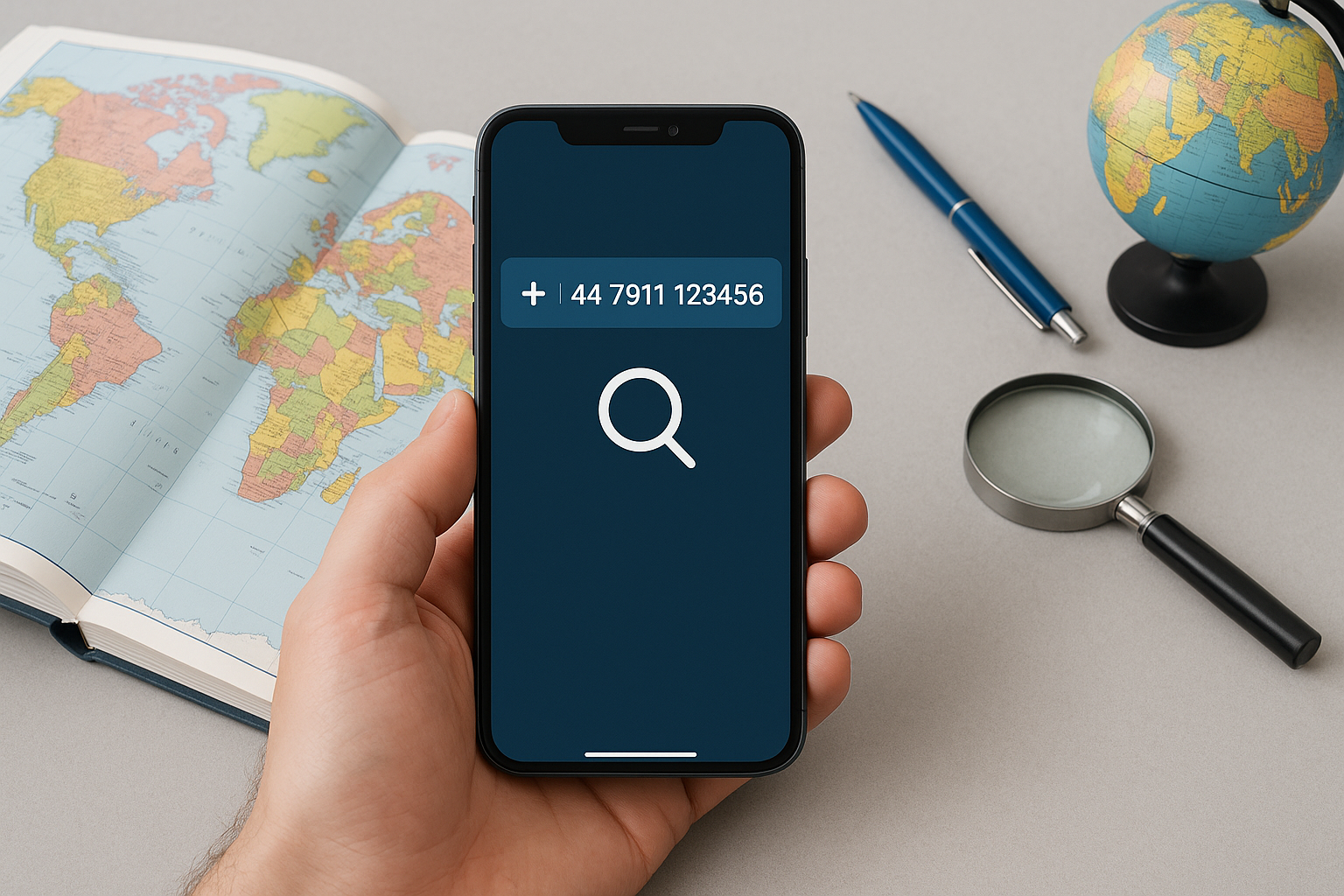
    International phone numbers follow a standardized format established by the International Telecommunication Union (ITU), beginning with a plus sign (+) followed by a country code, area code, and local subscriber number. This structure allows for unique identification of telephone lines across the globe. When you receive a call from an unfamiliar international number, the country code provides the first clue about its origin—for instance, +44 indicates the United Kingdom, +81 represents Japan, and +234 is Nigeria.

    The length and format of international numbers vary significantly by country. Some nations like the United States use ten digits after the country code (+1), while others may have shorter or longer sequences. Understanding this structure is essential when attempting to verify or look up international numbers, as the formatting provides critical information for database searches.

    How International Phone Number Lookup Works

    Phone number lookup services operate by cross-referencing the number against multiple databases that contain telecommunications information. When you enter an international number, the service first parses the country code to determine the originating nation, then accesses databases maintained by telecommunications authorities and carriers in that region. These databases include information about which carrier operates specific number ranges, the geographic region associated with the number, and whether it’s a mobile or landline connection.

    Many lookup services tap into publicly available data from numbering authorities in each country. The ITU’s numbering resources provide foundational information about how numbers are allocated globally. Commercial lookup providers enhance this data with proprietary databases built from user reports, public directories, and partnerships with telecommunications providers worldwide.

    Advanced lookup services can sometimes identify whether a number has been associated with spam, scam operations, or legitimate businesses based on user-submitted reports and pattern recognition. This crowdsourced element has become increasingly valuable as international phone scams have proliferated in recent years.

    Types of Information Available Through Lookup Services

    The scope of information obtainable through international phone number lookup varies based on the service used and the privacy laws governing the number’s country of origin. Basic lookups typically reveal the country and city of origin, the telecommunications carrier, and whether the line is mobile or fixed. This level of information is generally accessible without privacy concerns since it relates to infrastructure rather than individuals.

    More comprehensive services may provide caller identity information, but this depends heavily on whether the number is listed in public directories or business registries. In countries with strict privacy protections, obtaining personal information about residential phone subscribers is restricted or prohibited entirely. Business numbers, conversely, are often publicly searchable since companies typically list their contact information for customer access.

    Some specialized services offer reverse lookup capabilities that search social media profiles, public records, and online mentions associated with a phone number. These services aggregate digital footprints to build profiles, though their accuracy and completeness vary considerably. Users should approach such detailed lookups with caution regarding both accuracy and ethical considerations.

    Legal and Privacy Considerations

    International phone number lookup exists within a complex legal framework that differs across jurisdictions. The European Union’s General Data Protection Regulation (GDPR) imposes strict limitations on collecting and processing personal data, including phone numbers, which affects what information lookup services can legally provide about EU residents. Similar privacy frameworks exist in countries like Canada, Australia, and Brazil, each with specific requirements for data handling and consent.

    In the United States, telecommunications privacy is governed by various regulations, and the Federal Communications Commission oversees many aspects of telephone number administration. While Americans generally have fewer privacy protections than Europeans regarding phone number data, legitimate lookup services still operate within bounds set by consumer protection laws and industry standards.

    Users conducting international phone lookups should be aware that accessing certain types of information without proper authorization may violate laws in either their own country or the country where the number originates. Legitimate uses generally include verifying business contacts, screening potential spam or fraud, and confirming the identity of expected callers. Using lookup services for stalking, harassment, or unauthorized marketing crosses legal and ethical boundaries.

    Practical Applications and Use Cases

    International phone number lookup serves numerous practical purposes in both personal and professional contexts. Businesses with global operations regularly use these services to verify customer contact information, screen incoming calls from international clients, and detect fraudulent activity. When a company receives orders or inquiries from unfamiliar international numbers, lookup services help confirm legitimacy before proceeding with transactions.

    Individual users benefit from lookup services primarily for security purposes. International scam calls have become increasingly sophisticated, with fraudsters spoofing legitimate-looking numbers from various countries. By looking up an unfamiliar international number before answering or returning a call, you can often identify known scam operations or determine whether the call might be legitimate based on the carrier and location information.

    Journalists, investigators, and researchers sometimes use international phone lookups as part of broader information-gathering efforts. When combined with other research methods and used responsibly, these tools can help verify sources, trace communication networks, and uncover connections relevant to investigations. However, such professional uses require careful attention to legal requirements and ethical standards.

    Choosing a Reliable Lookup Service

    The market for international phone lookup services includes both free and paid options, with significant variation in quality, coverage, and accuracy. Free services typically offer basic information limited to country codes, carriers, and general location data. While useful for quick checks, they may have outdated databases or incomplete coverage of certain regions.

    Paid services generally provide more comprehensive data, regular database updates, and better coverage of international numbers. When evaluating paid services, consider factors like the geographic coverage relevant to your needs, the freshness of their data, user reviews regarding accuracy, and transparent privacy policies. Reputable services clearly explain what information they collect, how they use it, and their compliance with international privacy regulations.

    Be wary of services making unrealistic promises about the level of personal detail they can uncover. Legitimate providers acknowledge the limitations imposed by privacy laws and the varying availability of data across different countries. Services claiming to provide complete personal dossiers on any number worldwide are likely either exaggerating their capabilities or operating in legally questionable ways.

    Limitations and Challenges

    International phone number lookup faces inherent limitations that users should understand. Database accuracy depends on telecommunications authorities regularly updating number allocations, but administrative delays mean some newly assigned numbers may not appear correctly in lookup databases immediately. Additionally, number portability—where users keep their numbers when switching carriers—can result in carrier information being outdated.

    Virtual phone numbers and Voice over IP (VoIP) services present particular challenges for lookup accuracy. These numbers may display location information based on where the service provider is registered rather than where the user physically resides. This disconnect between displayed location and actual user location complicates efforts to verify caller legitimacy based solely on geographic information.

    Caller ID spoofing technology allows scammers to disguise their actual number by displaying a different one on recipient devices. While lookup services can identify the displayed number’s characteristics, they cannot necessarily reveal when spoofing has occurred. This limitation means lookup results should be considered one data point among several when assessing caller legitimacy.

    Frequently Asked Questions

    Can I find out who owns an international phone number for free?

    Free lookup services typically provide basic information like the country, region, and carrier associated with an international number, but rarely identify the specific owner. Personal ownership information is protected by privacy laws in most countries and generally requires the number to be listed in public directories or business registries. Even paid services have limited access to owner information due to legal restrictions, particularly for mobile numbers and residential lines in privacy-conscious jurisdictions.

    Are international phone number lookups legal?

    Looking up basic information about international phone numbers is generally legal when using legitimate services that access publicly available telecommunications data. However, laws vary by country regarding what information can be disclosed and for what purposes. Using lookup information for harassment, stalking, unauthorized marketing, or other illegal activities violates laws in most jurisdictions. Always ensure your use of lookup services complies with both your local laws and the laws of the country where the number originates.

    How accurate are international phone number lookup services?

    Accuracy varies significantly between services and depends on factors like database freshness, geographic coverage, and the type of number being searched. Basic information about country codes and major carriers is generally highly accurate, while details about specific owners or precise locations may be less reliable. Numbers associated with VoIP services, virtual phone providers, or recently ported between carriers often produce less accurate results. Reputable services typically achieve 70-90% accuracy for carrier and location data in well-documented regions.

    Why do some international numbers not appear in lookup databases?

    Several factors can cause international numbers to be absent from lookup databases. Newly allocated numbers may not yet be registered in publicly accessible databases due to administrative delays. Numbers from countries with limited telecommunications transparency or those with less developed digital infrastructure may have sparse database coverage. Additionally, some private or government numbers are intentionally unlisted, and virtual numbers or temporary disposable numbers from certain services may not be tracked in standard databases.

    Can international phone lookup services identify spam or scam calls?

    Many modern lookup services incorporate spam detection features based on user-reported data and pattern recognition algorithms. When multiple users report a specific international number as spam or fraudulent, this information gets added to crowdsourced databases that lookup services access. However, scammers frequently change numbers or use spoofing techniques, so the absence of spam reports doesn’t guarantee a call is legitimate. Lookup services work best as one component of a broader approach to identifying suspicious calls.

    What’s the difference between international phone lookup and reverse phone lookup?

    The terms are often used interchangeably, but technically international phone lookup refers specifically to searching numbers with country codes outside your own region, while reverse phone lookup is the general process of searching any number to discover information about it. International lookups face additional complexities due to varying regulations, database availability, and telecommunications standards across countries. A reverse lookup of a domestic number typically yields more detailed results than an international lookup due to better database coverage and fewer cross-border legal restrictions.

    Do I need special software to perform international phone number lookups?

    Most international phone number lookup services operate through web-based interfaces that require only a browser and internet connection. Simply enter the number in international format (with the plus sign and country code) into the service’s search field. Some providers offer mobile apps or browser extensions for convenient access, and businesses with high lookup volumes might use API integrations. Specialized software is unnecessary for occasional personal lookups, though professional users may benefit from tools that automate bulk searches or integrate lookup capabilities into existing systems.

  • Can You Look Up a Toll-Free Phone Number?

    Can You Look Up a Toll-Free Phone Number?

    TL;DR

    Yes, you can look up toll-free phone numbers through several reliable methods. The most effective approaches include using reverse phone lookup services, searching the official databases maintained by toll-free number administrators, checking company websites directly, or consulting the Better Business Bureau. While toll-free numbers are publicly available, finding detailed ownership information may require contacting the Responsible Organization that manages the specific number or using specialized business search tools.

    Understanding Toll-Free Numbers and Their Purpose

    Toll-free numbers have become an integral part of how businesses communicate with customers across the United States and beyond. These numbers, beginning with prefixes like 800, 888, 877, 866, 855, 844, and 833, allow callers to reach organizations without incurring long-distance charges. The business or entity that owns the number pays for all incoming calls, making it a customer-friendly communication channel that encourages contact.

    Unlike regular phone numbers tied to specific geographic locations, toll-free numbers exist in a national database managed by entities called Responsible Organizations. These organizations handle the registration, routing, and administration of toll-free numbers under oversight from the Federal Communications Commission. This structure means that toll-free numbers have different lookup procedures compared to standard landline or mobile numbers.

    Primary Methods to Look Up Toll-Free Numbers

    When you need to verify a toll-free number or discover who operates it, several practical methods can provide the information you need. Each approach offers different levels of detail and serves specific purposes.

    Reverse Phone Lookup Services

    Reverse phone lookup tools represent one of the most accessible methods for researching toll-free numbers. These services maintain extensive databases that cross-reference phone numbers with business names, addresses, and sometimes additional contact information. Many reverse lookup services offer basic searches at no cost, though comprehensive reports typically require payment.

    The quality and accuracy of reverse lookup results vary significantly between providers. Established services update their databases regularly and draw information from public records, business registrations, and user-submitted data. When using these tools, you simply enter the toll-free number and receive available information about the registered business or organization.

    Official Toll-Free Number Databases

    The most authoritative source for toll-free number information comes from the SMS/800 database, which serves as the official registry for all toll-free numbers in North America. Responsible Organizations have direct access to this system, and while general consumers cannot search it directly, you can contact a Responsible Organization to request information about a specific toll-free number.

    This official channel becomes particularly valuable when you need verified, up-to-date information about number ownership or when dealing with potential fraud investigations. The Responsible Organization can confirm whether a toll-free number is active, who holds it, and when it was registered.

    Direct Company Website Searches

    Often the simplest method involves visiting the website of the business you believe owns the toll-free number. Most companies prominently display their customer service numbers on their contact pages, and you can quickly verify whether the number matches what you have. This approach works well when you already have some idea about the number’s owner and want to confirm legitimacy before making contact.

    Better Business Bureau Verification

    The Better Business Bureau maintains detailed business profiles that include contact information, including toll-free numbers. Searching their database serves the dual purpose of looking up the number and checking the company’s reputation simultaneously. This method proves especially useful when you receive unsolicited calls from toll-free numbers and want to assess whether the business operates legitimately.

    Why You Might Need to Look Up a Toll-Free Number

    Understanding the motivations behind toll-free number lookups helps explain why multiple search methods exist and why accuracy matters. People research these numbers for various legitimate reasons that extend beyond simple curiosity.

    Scam prevention ranks among the most common reasons for toll-free lookups. Fraudsters increasingly use toll-free numbers to appear legitimate, creating a pressing need for consumers to verify caller identities before sharing personal information. When a call claims to come from your bank, a government agency, or a well-known retailer, looking up the number provides a crucial verification step that can prevent identity theft and financial fraud.

    Business verification represents another frequent use case. Before engaging with a new vendor, service provider, or potential employer, responsible consumers and businesses check contact information to ensure they’re dealing with established, legitimate entities. A toll-free number that traces back to a verified business address and matches information on official websites provides reassurance about authenticity.

    Customer service follow-ups also drive toll-free searches. You might receive a voicemail from a toll-free number regarding a service issue, insurance claim, or delivery problem. Looking up the number helps you determine whether the message came from a company you actually do business with or represents an attempt to phish for information.

    Challenges and Limitations in Toll-Free Number Lookups

    Despite multiple available methods, looking up toll-free numbers comes with inherent challenges that sometimes prevent straightforward identification. Understanding these limitations helps set realistic expectations and guides you toward the most effective search strategies.

    Database accuracy varies considerably across different lookup services. Toll-free numbers can change hands between businesses, get reassigned after periods of inactivity, or serve multiple entities through call routing systems. Free lookup services may contain outdated information, leading to incorrect conclusions about who currently operates a specific number.

    Privacy considerations also complicate toll-free lookups. While these numbers serve public-facing purposes, the detailed ownership information remains somewhat protected. Unlike residential phone numbers that might appear in public directories, toll-free number details are maintained in controlled databases with access restrictions designed to prevent harassment and protect business operations.

    Caller ID spoofing presents another significant obstacle. Scammers can display any toll-free number they choose on your caller ID, even if they don’t actually control that number. This means that looking up the displayed number might lead you to a legitimate business that has nothing to do with the actual caller. This tactic makes verification more complex and underscores why you should never call back unknown numbers without independent verification.

    Best Practices for Verifying Toll-Free Numbers

    Effective toll-free number verification requires a methodical approach that combines multiple information sources rather than relying on a single lookup method. When you receive a call from an unfamiliar toll-free number, resist the urge to return the call immediately or provide information to the caller.

    Start by searching the number through multiple reverse lookup services to see if consistent information appears across platforms. Cross-reference these results with the company’s official website by navigating there independently rather than clicking links in emails or text messages. The Federal Trade Commission provides guidance on recognizing and reporting suspicious communications that can help you assess whether a toll-free number represents a legitimate business contact or a scam attempt.

    When dealing with urgent claims about account problems, security issues, or legal matters, contact the organization directly using a phone number you find independently through their official website or your account statements. This extra step takes only moments but can prevent serious financial and personal consequences.

    Document suspicious toll-free numbers by saving voicemails, taking screenshots of text messages, and recording the date and time of contact attempts. This information becomes valuable if you need to report fraud to authorities or dispute unauthorized charges.

    Frequently Asked Questions

    Are all toll-free number lookups free?

    Basic toll-free number lookups are often free through reverse phone lookup services, but detailed reports that include ownership history, associated addresses, and comprehensive business information typically require payment. Official verification through Responsible Organizations or business registries may also involve fees depending on the specific service and level of detail requested.

    Can I find the owner of a toll-free number that called me?

    You can often identify the business associated with a toll-free number through reverse lookup services or by contacting the Responsible Organization that manages toll-free number registrations. However, if the caller used spoofing techniques to display a false number, your lookup will only reveal who legitimately owns that number, not who actually called you.

    What should I do if a toll-free number lookup shows different information than the caller claimed?

    If lookup results don’t match what the caller told you, treat this as a red flag for potential fraud. Do not provide personal information or return the call. Instead, contact the organization the caller claimed to represent using a verified phone number from their official website or your account documentation to determine if they actually attempted to reach you.

    How often do toll-free numbers change ownership?

    Toll-free numbers can change ownership when businesses close, sell operations, or choose different contact methods. Numbers may also be reassigned after remaining inactive for specific periods defined by regulatory guidelines. This fluidity means that lookup databases require regular updates to maintain accuracy, and older information may not reflect current ownership.

    Can businesses hide their toll-free number ownership information?

    While toll-free numbers are registered in official databases, detailed ownership information is not always publicly accessible through simple searches. Businesses have legitimate privacy interests, and certain information remains available only through formal requests to Responsible Organizations or regulatory authorities. This limited access protects companies from harassment while still allowing legitimate verification for fraud prevention.

    Is it safe to call back a toll-free number that left a voicemail?

    Calling back an unknown toll-free number carries risks because scammers often leave vague, urgent-sounding messages designed to prompt callbacks. Before returning any call, look up the number independently, verify it matches the organization mentioned in the message, and consider contacting the company through a verified number from their official website instead.

    Do toll-free number lookup services work for international numbers?

    Most toll-free lookup services focus on North American numbers with standard prefixes like 800, 888, 877, 866, 855, 844, and 833. International toll-free numbers operate under different systems and require country-specific lookup methods. If you need to verify an international toll-free number, search for lookup services specific to that country’s telecommunications system.

  • How Number Porting Affects Reverse Phone Lookup Results

    How Number Porting Affects Reverse Phone Lookup Results

    TL;DR

    Number porting allows phone users to transfer their existing phone number from one carrier to another, which creates significant challenges for reverse phone lookup services. When a number is ported, the original carrier information stored in databases becomes outdated, leading to inaccurate results that may show the old carrier instead of the current one. This lag in database updates can result in misleading information about the phone number’s owner, location, and even whether it’s a mobile or landline connection, making reverse phone lookup results less reliable immediately following a port.

    Understanding Number Porting and Its Purpose

    Number porting, also known as local number portability, emerged as a consumer protection measure that fundamentally changed how phone numbers function within the telecommunications ecosystem. The process allows individuals and businesses to keep their existing phone numbers when switching service providers, eliminating one of the major barriers that previously locked customers into specific carriers. Since the FCC mandated local number portability in 2003 for wireless carriers and earlier for wireline services, millions of phone numbers have been transferred between providers, creating a dynamic environment where phone number ownership and carrier association constantly shifts.

    The ability to port numbers applies across different scenarios. Consumers can move their mobile number from one wireless carrier to another, transfer a landline number to a mobile service, or even move a number to Voice over IP (VoIP) providers. Businesses particularly value this flexibility because changing phone numbers could mean losing established customer contact points and marketing investments. While number porting benefits consumers and promotes market competition, it introduces complexity into systems that rely on static phone number data.

    How Reverse Phone Lookup Services Work

    Reverse phone lookup services function by querying databases that contain phone number information collected from various sources. These databases compile data from public records, telecommunications carriers, user-submitted information, marketing databases, and other aggregated sources. When someone enters a phone number into a reverse lookup service, the system searches through these records to return information about the number’s owner, location, carrier, and line type.

    Traditional reverse lookup systems were built during an era when phone numbers remained relatively static. A landline number assigned to a specific address would typically stay associated with that location and carrier for years. The telecommunications infrastructure supported this stability, and databases could be updated periodically without significant accuracy concerns. Service providers maintained authoritative records that showed which carriers controlled which number blocks, making it relatively straightforward to identify the service provider associated with any given number.

    The accuracy of reverse phone lookup results depends heavily on how current the underlying database information is. Premium services typically update their databases more frequently than free alternatives, but even the most sophisticated systems face challenges keeping pace with the constant churn created by number porting. Some reverse lookup services tap into real-time carrier databases, while others rely on periodic batch updates that may lag weeks or months behind actual changes.

    The Direct Impact of Porting on Lookup Accuracy

    When a phone number gets ported from one carrier to another, several data points associated with that number change simultaneously. The most obvious change is carrier ownership—the number moves from the donor carrier to the recipient carrier. However, the port may also change the number’s classification from landline to mobile or vice versa, alter its geographic routing, and update technical details about how the number connects through the telephone network.

    Reverse phone lookup databases typically do not receive instant notification when ports occur. Instead, they rely on periodic synchronization with telecommunications databases, creating a window of time during which lookup results show outdated information. This delay can range from days to months depending on the lookup service’s data refresh cycle. During this gap, someone searching for information about a recently ported number will receive results pointing to the old carrier and potentially incorrect line type information.

    The problem becomes more pronounced when considering that millions of wireless numbers are ported each year in the United States alone. High porting volumes mean that at any given moment, a substantial percentage of phone numbers in circulation have database records that don’t match their current status. Users conducting reverse lookups may receive confident-looking results that are completely wrong, not because the database is poorly maintained, but simply because the port happened too recently for the information to propagate through the system.

    Technical Challenges in Tracking Ported Numbers

    The technical infrastructure supporting number portability operates through complex routing databases that carriers query in real-time to complete calls. When you dial a ported number, your carrier checks a central database to determine which carrier currently owns that number, then routes the call accordingly. These routing databases, maintained through the Number Portability Administration Center, contain the authoritative record of which carrier controls each ported number.

    However, reverse phone lookup services typically don’t have direct, real-time access to these carrier routing systems. The databases that power these routing decisions are primarily designed for call completion, not for public information queries. As a result, reverse lookup providers must obtain number portability data through secondary channels, which introduces delays. Some services purchase periodic database exports, while others aggregate information from multiple sources to build composite profiles.

    Additional complications arise from the fact that number porting doesn’t always involve a complete change in how the number appears to outside systems. Port-in activity might update carrier records but leave other identifying information unchanged. VoIP providers add another layer of complexity because they can make numbers appear to originate from almost any location regardless of where the actual user is located. A number that appears to be a New York landline in a reverse lookup might actually be a VoIP service accessed from California, especially if it was recently ported.

    Implications for Different Use Cases

    The accuracy problems created by number porting affect different users in distinct ways. Individuals trying to identify unknown callers face frustration when reverse lookup results point to the wrong carrier or provide outdated owner information. Someone might see that a number is registered to a landline in a specific city, only to discover it’s actually a mobile number that was ported months ago. This misinformation can lead to false assumptions about who’s calling and why.

    Businesses relying on reverse phone lookup for customer verification, fraud prevention, or marketing purposes encounter more serious challenges. Customer databases may contain phone numbers that have been ported multiple times since they were originally collected. When businesses attempt to verify customer identity or contact information through reverse lookup, ported numbers can trigger false negatives, suggesting that the customer provided incorrect information when in reality the database simply hasn’t caught up with legitimate changes.

    Law enforcement and investigative work also gets complicated by number porting. While authorities have access to more direct carrier information through legal channels, initial investigations using publicly available reverse lookup tools can be misled by stale portability data. The carrier shown in a reverse lookup might no longer have any records for that number because it was ported away months earlier, sending investigators down an unproductive path.

    Strategies to Improve Lookup Reliability

    Reverse phone lookup services have developed several approaches to mitigate the challenges posed by number porting. The most effective strategy involves increasing the frequency of database updates. Premium services that update their carrier information weekly or even daily provide more accurate results than those relying on monthly or quarterly refreshes. However, even daily updates leave a window where recently ported numbers show incorrect information.

    Some advanced lookup services incorporate multiple data sources and apply temporal analysis to their results. Rather than relying solely on carrier databases, these services cross-reference information from call detail records, social media connections, user reports, and other signals that might indicate a number’s current status. When conflicts appear between different data sources, the system can flag the result as potentially outdated due to a recent port.

    Another approach involves displaying confidence scores or data freshness indicators alongside lookup results. Instead of presenting information as definitive fact, these services acknowledge uncertainty by showing when the data was last verified. Users can then make informed decisions about how much weight to give the results, understanding that recently ported numbers might not be accurately represented.

    What Users Should Know When Using Reverse Lookups

    Anyone using reverse phone lookup services should approach results with healthy skepticism, especially regarding carrier information and line type classification. The most reliable elements tend to be the original number assignment data—the geographic area where the number was first issued—since this rarely changes regardless of porting. However, even geographic assumptions break down with VoIP services that can claim numbers from anywhere.

    When lookup results seem inconsistent with other information you have about a phone number, consider that porting may explain the discrepancy. A mismatch between the carrier shown in a database and what the person claims doesn’t necessarily indicate dishonesty; it might simply mean the database hasn’t caught up with a legitimate port. Cross-referencing information from multiple lookup services can sometimes reveal these inconsistencies and provide clues about recent porting activity.

    For critical decisions involving identity verification or fraud prevention, reverse phone lookup results should never be the sole source of information. The limitations created by number porting mean that even the best databases contain a percentage of outdated records at any given time. Combining lookup data with other verification methods provides a more complete and accurate picture.

    The Future of Reverse Lookups in a Portable Number Environment

    As number porting becomes even more common and switching between carriers gets easier, reverse phone lookup services will need to evolve their data collection and presentation strategies. The traditional model of maintaining static databases that get periodic updates increasingly fails to match the dynamic reality of modern telecommunications. Services that can tap into near-real-time portability data will have significant accuracy advantages over competitors relying on slower update cycles.

    Emerging technologies like blockchain-based identity systems and carrier-authenticated caller ID systems might eventually provide more reliable alternatives to traditional reverse lookup. These approaches could create authoritative, instantly updated records of phone number ownership and characteristics, though privacy concerns and implementation complexity present substantial barriers to widespread adoption.

    Until such systems become reality, users and businesses must work within the limitations of current reverse phone lookup technology. Understanding how number porting affects these services helps set appropriate expectations and encourages more sophisticated use of the information they provide. The key insight is that reverse lookup results represent a snapshot of database information at a specific point in time, not necessarily the current reality of a phone number’s status.

    Frequently Asked Questions

    How long does it take for reverse phone lookup databases to update after a number is ported?

    The update timeframe varies significantly depending on the reverse lookup service. Premium services might update their databases within days of a port, while free services could take weeks or even months to reflect the change. Most services fall somewhere in the middle, updating weekly or monthly. During this lag period, lookup results will show the old carrier and potentially incorrect line type information.

    Can reverse phone lookup services tell me if a number has been ported?

    Most basic reverse phone lookup services don’t specifically indicate whether a number has been ported or how many times it’s changed carriers. Some advanced services may note when data conflicts suggest recent porting activity, but this information isn’t standard. The services are generally designed to show current status rather than porting history, though data freshness timestamps can provide clues about potential changes.

    Does number porting affect the geographic information shown in reverse lookups?

    Number porting typically doesn’t change the original geographic area code and prefix information, which reflects where the number was first assigned. However, porting to a VoIP provider can disconnect the number from any meaningful geographic location since VoIP services can route calls from anywhere. This means reverse lookups might show a number as being from a specific city when the actual user operates from an entirely different location.

    Why do different reverse lookup services show different carriers for the same number?

    Different services update their databases on different schedules and draw from different data sources. If a number was recently ported, one service might show the new carrier while another still displays the old one, depending on when each updated its records. Additionally, some services have more direct access to carrier databases while others rely on indirect data collection methods, creating variations in accuracy and currency.

    Are landline to mobile ports more problematic for reverse lookups than mobile to mobile ports?

    Landline to mobile ports create additional complications because they change the fundamental line type classification, not just the carrier. Many systems and databases categorize numbers as either landline or mobile, and this classification affects various downstream uses from fraud detection to marketing regulations. When a number ports between line types, reverse lookups may show incorrect classifications for extended periods, potentially leading to regulatory compliance issues for businesses.

    Can businesses rely on reverse phone lookup for customer verification given porting issues?

    Businesses should not rely solely on reverse phone lookup for customer verification, particularly because number porting creates accuracy gaps. The information can serve as one data point among multiple verification methods, but outdated carrier information shouldn’t automatically disqualify legitimate customers. Companies should build verification systems that account for the possibility of recent porting and incorporate alternative validation approaches.

    Do porting delays affect emergency services or just commercial lookup services?

    Emergency services have direct access to authoritative carrier routing databases that update in near-real-time when numbers are ported, so 911 systems are not significantly affected by the delays that plague commercial reverse lookup services. The carrier routing infrastructure prioritizes call completion accuracy, especially for emergency calls, while commercial lookup databases operate with lower priority access and longer update cycles.

  • Why Does a Phone Number Show a Different Location?

    Why Does a Phone Number Show a Different Location?

    TL;DR

    A phone number can show a different location than the caller’s actual whereabouts due to several factors including number portability, VoIP services, area code retention from previous residences, and caller ID spoofing. The location associated with a phone number’s area code reflects where the number was originally issued, not necessarily where the person is currently located or calling from. Modern telecommunications technology has essentially decoupled phone numbers from fixed geographic locations.

    Understanding Area Codes and Geographic Assignment

    Phone numbers in North America follow the North American Numbering Plan, which assigns three-digit area codes to specific geographic regions. When the system was first implemented in 1947, these area codes provided a reliable indicator of where a caller was physically located. A 212 area code meant New York City, 310 indicated Los Angeles, and so forth. However, this straightforward relationship between area codes and locations has broken down significantly over the decades as telecommunications technology has evolved and consumer needs have changed.

    The initial purpose of area codes was purely functional, designed to help route calls through the analog telephone switching infrastructure of the time. Operators and automated systems used these codes to determine the physical path a call needed to travel through copper wires strung across the country. This system worked well when phones were literally tied to specific locations through physical landlines, but the mobile revolution changed everything.

    Number Portability Changed Everything

    One of the most significant reasons phone numbers show different locations is wireless number portability, which the Federal Communications Commission mandated in 2003. This regulation allows consumers to keep their phone number when switching carriers or moving between landline and wireless services. Before this change, switching phone companies meant getting an entirely new number, which created substantial inconvenience for consumers and businesses alike.

    Number portability means someone can obtain a phone number with a Miami area code, then move to Seattle, switch carriers multiple times, and keep that same Miami number indefinitely. The number’s area code continues to suggest a Florida location even though the person might never return to that state. This phenomenon has become increasingly common as Americans have become more mobile and less willing to change phone numbers that are tied to their personal and professional identities.

    The FCC’s number portability rules have fundamentally altered how we should interpret area codes. What was once a reliable geographic indicator is now merely a historical artifact showing where someone first obtained their number, which might have been years or even decades ago.

    VoIP Technology and Virtual Phone Numbers

    Voice over Internet Protocol (VoIP) services have further separated phone numbers from physical locations. Services like Google Voice, Skype, and various business communication platforms allow users to select phone numbers with virtually any area code regardless of where they actually live or work. A freelancer in Austin can choose a New York area code to establish presence in that market, while a business in Portland might use local numbers in a dozen different cities to appear locally accessible to customers nationwide.

    VoIP technology routes calls over the internet rather than traditional phone lines, making the caller’s physical location completely irrelevant to the number they display. These services can forward calls to any device anywhere in the world, meaning the number showing on your caller ID might bear no relationship whatsoever to where the call originates. This flexibility offers tremendous benefits for businesses and remote workers but completely undermines area codes as location identifiers.

    Business Practices and Toll-Free Numbers

    Many businesses deliberately choose phone numbers that don’t reflect their actual location for strategic reasons. Companies frequently use toll-free numbers (800, 888, 877, etc.) that provide no geographic information at all, or they maintain local numbers in markets they serve despite having operations elsewhere. A customer service center might be located in one state but display numbers from dozens of different area codes depending on which customer is calling.

    National retailers, healthcare systems, and service providers often implement sophisticated phone systems that route calls based on the customer’s location or account information while displaying different outbound numbers. This practice, while legitimate, means the number on your screen tells you nothing about where the business actually operates or where the person you’re speaking with is physically located.

    Caller ID Spoofing and Fraudulent Practices

    Unfortunately, not all instances of location mismatches are benign. Caller ID spoofing involves deliberately falsifying the phone number that appears on the recipient’s display, and it’s become a favored tactic of scammers and telemarketers. Fraudsters often spoof numbers with the same area code and prefix as the number they’re calling, a practice called “neighbor spoofing,” because people are more likely to answer calls that appear to be from their local area.

    The Federal Trade Commission has addressed spoofing concerns by noting that scammers can make any number appear on caller ID, regardless of where they’re actually calling from. International scam operations routinely display U.S. phone numbers, and domestic scammers might show numbers from different states to evade law enforcement or exploit area codes that have higher answer rates. While spoofing for fraudulent purposes is illegal under the Truth in Caller ID Act, enforcement remains challenging and the practice continues to be widespread.

    Cell Tower Location vs. Number Origin

    When you receive a call from a mobile phone, the location that might appear on caller ID or in phone tracking applications could refer to several different things. The area code reflects where the number was originally issued or subsequently ported to, not where the caller is currently located. Meanwhile, cell tower data, which law enforcement and carriers can access, shows the approximate location where the call is actually being made from, but this information typically isn’t available to regular call recipients.

    This distinction becomes important in emergency situations. When someone calls 911 from a mobile phone, dispatchers use cell tower triangulation and GPS data to locate the caller, not the area code. Emergency services have adapted to the reality that a 911 call with a Boston area code might be coming from someone currently traveling through Denver, and they’ve implemented systems to handle this disconnect between number origin and caller location.

    International Calling and Virtual Presence

    The globalization of business has created additional scenarios where phone numbers and locations diverge. International companies often maintain virtual phone numbers that appear to be local to specific countries or cities but actually route to call centers continents away. Someone calling what appears to be a London number might actually be connected to a facility in India or the Philippines, with the local number serving purely as a marketing tool to increase customer comfort and answer rates.

    Similarly, travelers and expatriates might maintain phone numbers from their home countries while living abroad, using international roaming or VoIP forwarding to keep their original numbers active. This allows them to maintain continuity with contacts back home but means their phone number provides no indication of their current location.

    What This Means for Call Recipients

    The practical implication of all these factors is that you should never rely on a phone number’s area code to determine where a caller is actually located or whether a call is legitimate. A local area code doesn’t guarantee a local caller, and an unfamiliar area code doesn’t necessarily mean the caller is far away. This reality requires a shift in how we evaluate incoming calls, placing more emphasis on verifying the caller’s identity through other means rather than making assumptions based on the number alone.

    For personal safety and fraud prevention, it’s better to assess calls based on whether you were expecting contact, whether the caller can verify information only a legitimate party would know, and whether the request being made seems reasonable. The phone number itself has become an unreliable indicator in the modern telecommunications landscape, where technology has prioritized flexibility and portability over geographic transparency.

    Frequently Asked Questions

    Can I determine someone’s actual location from their phone number?

    No, you cannot reliably determine someone’s current location from their phone number alone. The area code only indicates where the number was originally issued, not where the person is currently located. Due to number portability, VoIP services, and the mobility of cell phone users, phone numbers have become disconnected from specific geographic locations. Only service providers and law enforcement with proper authorization can access real-time location data through cell tower information.

    Why do I keep getting calls from my own area code that aren’t actually local?

    This phenomenon is called “neighbor spoofing,” where scammers deliberately display phone numbers with your same area code and sometimes even the same three-digit prefix to make calls appear local. People are statistically more likely to answer calls that seem to be from their area, so fraudsters exploit this tendency by falsifying caller ID information. These calls are typically scams or illegal telemarketing, and the displayed number is fake.

    If I move to a different state, do I need to change my phone number?

    No, you are not required to change your phone number when moving to a different state. Thanks to number portability regulations, you can keep your existing phone number indefinitely regardless of where you live or which carrier you use. Many people choose to retain their original area code because changing numbers can be inconvenient for personal and professional contacts, even if the area code no longer reflects their location.

    How do businesses have local numbers in cities where they don’t have offices?

    Businesses use VoIP services and virtual phone systems that allow them to obtain local phone numbers in any area code they choose, regardless of their physical location. These numbers forward to the company’s actual location or call center, which might be in a completely different city, state, or even country. This practice helps businesses appear locally accessible to customers in different markets without maintaining physical offices in each location.

    Is caller ID spoofing illegal?

    Caller ID spoofing is illegal when done with the intent to defraud, cause harm, or wrongfully obtain something of value, according to the Truth in Caller ID Act. However, there are legitimate uses of spoofing, such as when doctors call patients from their personal phones but display the office number, or when businesses display a central number instead of individual employee lines. The legality depends on the intent and whether the spoofing is used for fraudulent purposes.

    Why does my phone sometimes show a city name instead of just the area code?

    Some phones and caller ID systems attempt to display the city or region associated with an area code, but this information is based on where the number was originally assigned, not where the caller is actually located. This feature is meant to be helpful but can be misleading given number portability and VoIP services. The city name displayed is essentially just a lookup of what region that area code traditionally serves, not real-time location data.

    Can I track a spam caller’s location through their phone number?

    No, you cannot track a spam caller’s actual location through the phone number they display. Spam callers routinely use spoofed numbers that aren’t actually theirs, making the displayed number meaningless for tracking purposes. Even if the number weren’t spoofed, number portability and VoIP services mean the area code wouldn’t reveal the caller’s location. Your best option is to block the number and report persistent spam calls to your carrier and the Federal Trade Commission.

  • Can Reverse Phone Lookup Identify a VoIP Number?

    Can Reverse Phone Lookup Identify a VoIP Number?

    TL;DR

    Reverse phone lookup services can identify VoIP numbers, but the results are often less detailed than traditional landline or mobile lookups. Most reverse lookup tools will reveal that a number uses Voice over Internet Protocol technology and may identify the VoIP service provider, but they typically cannot provide the actual subscriber’s personal information due to how VoIP numbers are registered and the privacy protections many VoIP services offer. Free reverse lookup tools usually provide minimal information about VoIP numbers, while paid services may offer slightly more context about the carrier and location data associated with the number.

    Understanding VoIP Numbers and Their Characteristics

    Voice over Internet Protocol numbers function differently from traditional phone numbers because they transmit calls over the internet rather than through conventional telephone lines. This fundamental difference affects how much information is publicly available when someone attempts a reverse lookup. VoIP numbers can be obtained quickly, often without the same verification requirements that traditional carriers impose, and users can select numbers from virtually any area code regardless of their physical location.

    The flexibility and anonymity of VoIP technology make these numbers popular for both legitimate business use and unfortunately for spam callers and scammers. When you receive a call from a VoIP number, the caller ID information may display a local area code even though the person calling could be anywhere in the world. This portability and ease of acquisition create significant challenges for anyone trying to trace or identify the actual person behind a VoIP number.

    How Reverse Phone Lookup Works with VoIP Numbers

    Reverse phone lookup services query various databases that contain phone number information, including carrier data, registration details, and publicly available records. When you enter a VoIP number into these services, they search through telecommunications databases to find whatever information is associated with that number. The Federal Communications Commission regulates both traditional and VoIP phone services, but the information available for each type varies significantly.

    Traditional phone numbers are tied to specific addresses and billing accounts that appear in public directories and carrier databases. VoIP numbers, however, are registered differently. Many VoIP providers allow users to sign up with minimal information, and the numbers themselves are not necessarily linked to physical addresses in the same way landlines are. When a reverse lookup service identifies a VoIP number, it can typically determine which provider issued the number and sometimes the general geographic region associated with it, but obtaining the subscriber’s identity is far more difficult.

    What Information You Can Typically Find

    When performing a reverse lookup on a VoIP number, you can usually discover several pieces of information. The lookup will identify that the number uses VoIP technology rather than being a traditional landline or standard mobile number. You will often see the name of the VoIP service provider, such as Google Voice, Skype, RingCentral, or other popular services. The original area code and the general region it was supposedly assigned to will appear, though this does not necessarily indicate where the caller is actually located.

    Some reverse lookup services also provide user-generated data, which can be surprisingly valuable. If other people have received calls from the same VoIP number and reported it as spam, a telemarketing call, or associated it with a specific business or scam, this crowdsourced information may appear in your search results. This type of community-reported data often proves more useful than the technical carrier information when trying to determine if a VoIP caller is legitimate.

    Limitations and Privacy Protections

    The biggest limitation when looking up VoIP numbers is that many providers prioritize user privacy and do not publish subscriber directories. Unlike traditional phone companies that historically maintained public white pages, most VoIP services operate under different business models that emphasize privacy and convenience. Users appreciate this anonymity, but it frustrates those trying to identify unknown callers.

    Additionally, VoIP numbers can be easily changed, abandoned, or transferred between users without leaving the same paper trail that accompanies traditional phone service changes. A VoIP number that was associated with one person or business last month might be completely inactive or reassigned to someone else today, making historical lookup data less reliable than it would be for conventional phone numbers.

    Differences Between Free and Paid Lookup Services

    Free reverse phone lookup services typically provide only the most basic information about VoIP numbers. These services will confirm whether a number is VoIP-based and might identify the service provider, but they rarely offer detailed subscriber information. Free services primarily rely on publicly available databases and user-submitted reports, which means the information quality varies significantly depending on how many other people have searched for or reported the same number.

    Paid reverse lookup services claim to access more comprehensive databases and may provide additional context about VoIP numbers. These premium services often compile information from multiple sources, including business directories, social media profiles, and other public records that might be linked to a phone number. However, even paid services struggle with VoIP numbers compared to their success rate with traditional phone lines. The Federal Trade Commission tracks consumer privacy issues related to phone number data, and their guidance reflects the reality that VoIP information is inherently more protected than traditional phone data.

    Alternative Methods for Identifying VoIP Callers

    When reverse phone lookup falls short, several alternative approaches can help identify VoIP callers. Searching the phone number directly in a search engine often yields results if the number has been used for business purposes, posted on websites, or reported by other users on scam-reporting platforms. Social media searches can also be effective, as some people link their VoIP numbers to their profiles or use them for business accounts.

    Examining the context of the call provides valuable clues as well. If the caller left a voicemail, the message content, background noise, and the caller’s language might offer insights about their identity or intentions. Legitimate businesses using VoIP numbers typically identify themselves clearly and provide callback information that checks out when verified independently.

    For persistent unwanted calls from VoIP numbers, reporting the number to your phone carrier and registering your number with the National Do Not Call Registry can help, though VoIP technology makes enforcement more challenging. Blocking the number on your device prevents future calls, and modern smartphones include increasingly sophisticated spam detection features that can identify suspicious VoIP calls before you answer.

    Why VoIP Numbers Are Harder to Trace

    The technical architecture of VoIP services inherently makes these numbers more difficult to trace than traditional phone numbers. VoIP calls route through internet servers that may be located in different jurisdictions than the caller, and the actual voice data can travel through multiple networks before reaching its destination. This complexity creates jurisdictional challenges for law enforcement and makes real-time tracing nearly impossible without cooperation from the VoIP service provider.

    VoIP services often use encryption to protect user privacy, which is beneficial for legitimate users but also shields malicious callers from easy identification. The low cost and minimal barriers to obtaining VoIP numbers mean that bad actors can acquire multiple numbers quickly and discard them just as easily if they become associated with spam or fraud complaints. This disposable nature of VoIP numbers reduces the effectiveness of blocking and reporting mechanisms that work reasonably well for traditional phone numbers.

    Legal and Ethical Considerations

    Attempting to identify the owner of a phone number through reverse lookup services raises important privacy considerations. While looking up a number that called you is generally legal, how you use that information matters significantly. Privacy laws protect personal information, and using reverse lookup data for harassment, stalking, or unauthorized commercial purposes can violate both civil and criminal statutes.

    Law enforcement agencies have legal mechanisms to obtain subscriber information from VoIP providers when investigating crimes, but private individuals do not have access to these same tools. If you are receiving threatening or harassing calls from a VoIP number, documenting the calls and reporting them to local authorities is the appropriate response rather than attempting to trace the caller yourself. Police can work with VoIP providers through proper legal channels to identify subscribers when warranted by the circumstances.

    Frequently Asked Questions

    Can I find out who owns a Google Voice number?

    Identifying the specific owner of a Google Voice number through public reverse lookup services is extremely difficult because Google does not publish subscriber information in accessible databases. A reverse lookup will reveal that the number belongs to Google Voice, but obtaining the actual user’s identity requires legal process such as a subpoena. If someone is using a Google Voice number for business purposes, you might find their identity through other means like web searches or business directories where they have listed the number.

    Are VoIP numbers shown as mobile or landline in lookups?

    Reverse phone lookup services typically classify VoIP numbers as a separate category distinct from traditional mobile or landline numbers. Most modern lookup tools will specifically identify a number as VoIP or internet-based rather than categorizing it as either mobile or landline. However, some older or less sophisticated services might incorrectly classify VoIP numbers based on their area code or the type of device used to make the call.

    Why do scammers prefer using VoIP numbers?

    Scammers favor VoIP numbers because they are inexpensive, easy to obtain without extensive verification, and difficult to trace. VoIP services allow users to select any area code regardless of location, enabling scammers to make calls appear local to their targets. The numbers can be quickly discarded and replaced if they become associated with complaints or blocked by potential victims, making it nearly impossible for authorities to shut down scam operations by targeting specific phone numbers.

    Can my phone carrier tell me if a number is VoIP?

    Your phone carrier can often identify whether an incoming call originates from a VoIP service based on the routing information transmitted with the call. Many modern smartphones and carrier networks include spam detection features that flag VoIP numbers associated with suspicious activity. If you contact your carrier’s customer service about a specific number, they may be able to confirm whether it is VoIP-based, though they cannot provide subscriber details for privacy and regulatory reasons.

    Do VoIP providers give information to reverse lookup services?

    Most VoIP providers do not voluntarily share customer information with reverse phone lookup services or public databases. These companies typically prioritize customer privacy as a competitive advantage and only release subscriber information when legally compelled through subpoenas or court orders. This policy stance significantly limits the effectiveness of reverse lookup services when dealing with VoIP numbers compared to their success with traditional phone services that maintain more accessible public records.

    Is there any way to block all VoIP calls?

    While you cannot block all VoIP calls completely without potentially blocking legitimate calls from businesses and contacts who use VoIP services, many smartphones and third-party apps offer settings to automatically screen or filter calls from VoIP numbers. Some carriers provide enhanced call filtering services that can identify and block suspicious VoIP calls based on pattern analysis and reputation databases. Complete blocking is impractical because many legitimate organizations now use VoIP technology for cost-effective communication.

    What should I do if I receive suspicious calls from a VoIP number?

    If you receive suspicious calls from a VoIP number, the first step is to avoid engaging with the caller or providing any personal information. Block the number on your device to prevent repeat calls, and report it to your phone carrier if the calls are harassing or threatening. You can also file complaints with the Federal Trade Commission if the calls involve scams or violations of telemarketing laws. Document the date, time, and nature of the calls in case you need to provide evidence to authorities or your phone carrier. Never call back numbers you do not recognize, as this can confirm your number is active and lead to more unwanted calls.

  • Is This Number Mobile Landline or VoIP?

    Is This Number Mobile Landline or VoIP?

    TL;DR

    You can identify whether a phone number is a mobile, landline, or VoIP line by using carrier lookup services, checking number prefixes, or conducting a CNAM (Caller Name) lookup. Mobile numbers typically route through wireless carriers, landlines connect through traditional telephone networks, and VoIP numbers operate over internet connections. The distinctions matter for call routing, message delivery, regulatory compliance, and fraud prevention, though number portability and emerging technologies have blurred these boundaries significantly in recent years.

    Understanding Phone Number Types

    Phone numbers no longer fall into neat categories the way they did decades ago. The telecommunications landscape has evolved dramatically, creating a complex environment where a single number might start as a landline, get ported to a mobile carrier, and later become a VoIP service without ever changing digits. Understanding these distinctions requires looking beyond the number itself to the underlying infrastructure and carrier information.

    Mobile numbers connect through cellular networks operated by wireless carriers. These numbers route calls and messages over radio frequencies, allowing users to move freely while maintaining connectivity. Mobile numbers typically support SMS and MMS messaging natively and can receive verification codes sent through carrier networks.

    Landline numbers connect through traditional Public Switched Telephone Network (PSTN) infrastructure, using physical copper or fiber-optic cables. These numbers remain tied to specific geographic locations and cannot receive text messages without additional services. While landlines once dominated telecommunications, their usage has declined substantially as mobile and internet-based alternatives have proliferated.

    VoIP (Voice over Internet Protocol) numbers transmit voice data as packets over internet connections rather than through traditional phone networks. Services like Skype, Google Voice, and numerous business phone systems use VoIP technology. These numbers can function anywhere with internet access and often cost significantly less than traditional phone service, though call quality depends heavily on connection stability.

    Why Identifying Number Types Matters

    Businesses, developers, and security professionals have legitimate reasons for determining phone number types before initiating contact or processing transactions. Marketing teams need to know whether numbers can receive SMS messages before launching text campaigns. Two-factor authentication systems must verify that numbers can receive verification codes reliably.

    Fraud prevention systems frequently flag VoIP numbers because they’re easier to obtain anonymously and can be discarded quickly after fraudulent activity. Financial institutions often require customers to verify their identity using mobile numbers rather than VoIP or landline numbers because mobile carriers perform more rigorous identity verification during account creation.

    Call centers and customer service operations route calls differently based on number type, optimizing connection quality and cost. International calling rates vary dramatically depending on whether the destination is a mobile or landline number in many countries.

    Methods for Identifying Number Types

    Several technical approaches exist for determining whether a number connects through mobile, landline, or VoIP infrastructure. Each method has strengths and limitations, and accuracy varies based on data freshness and the complexity introduced by number portability.

    Carrier Lookup Services

    Carrier lookup services query telecom databases to identify the current service provider and line type associated with a phone number. These services access information from the Local Number Portability databases maintained by telecommunications regulators, which track numbers as they move between carriers.

    Commercial APIs like Twilio Lookup, Telnyx, and Numverify offer programmatic access to carrier information. These services typically return the carrier name, line type (mobile/landline/VoIP), country, and sometimes additional metadata like whether the number is currently active. Accuracy depends on how frequently the service updates its databases, as numbers can port between carriers relatively quickly.

    Free carrier lookup tools exist online but often provide less reliable data than paid services because they may rely on outdated databases or incomplete information sources. For critical applications where accuracy matters, paid services with frequent database updates generally provide better results.

    Number Prefix Analysis

    Phone number prefixes once reliably indicated line types in many countries. In North America, certain area codes and exchanges were exclusively allocated to mobile carriers or geographic regions served primarily by landlines. However, number portability has severely diminished the reliability of prefix-based identification.

    The North American Numbering Plan Administrator assigns number blocks to carriers, but these assignments don’t lock numbers to specific line types permanently. A number originally issued as a landline can become a mobile number through porting, while retaining its original prefix.

    In some countries outside North America, mobile and landline numbers still use distinct prefix patterns. European nations often assign specific prefixes exclusively to mobile services, making identification more straightforward. However, as VoIP adoption grows globally, even these patterns become less definitive.

    CNAM and Caller ID Lookups

    Caller Name (CNAM) databases store subscriber information associated with phone numbers, primarily for caller ID display purposes. While CNAM lookups primarily retrieve the registered name for a number, some services include line type information in their responses.

    CNAM data accuracy varies considerably because different carriers maintain separate databases with inconsistent update frequencies. Business lines often have detailed CNAM records, while individual mobile users may have minimal or no CNAM information registered. VoIP numbers frequently lack CNAM records entirely or display generic service provider names rather than subscriber details.

    HLR/HNI Lookups

    Home Location Register (HLR) lookups query the databases that mobile network operators use to track their subscribers. These lookups can confirm whether a number is currently active on a mobile network, determine the home carrier, identify the country and network the number belongs to, and check whether the number is currently roaming.

    HLR lookups work exclusively for mobile numbers and cannot identify landlines or VoIP numbers, though this limitation actually serves as useful information. If an HLR lookup fails to find a number in any mobile network database, the number likely connects through landline or VoIP infrastructure instead.

    The Impact of Number Portability

    Number portability allows subscribers to keep their phone numbers when switching carriers or service types, creating significant challenges for accurate number type identification. A number that originated as a Verizon mobile line might now operate as a Google Voice VoIP number, or a former landline might now route through T-Mobile’s cellular network.

    This portability serves consumer interests by reducing friction when changing providers, but it complicates business processes that depend on knowing line types. Businesses must use real-time carrier lookups rather than relying on cached or outdated information, increasing operational costs and complexity.

    The porting process typically completes within hours to a few days, meaning databases must update constantly to maintain accuracy. Even services that query authoritative databases in real-time may encounter brief periods where data doesn’t reflect very recent porting activity.

    Reliability and Accuracy Considerations

    No identification method achieves perfect accuracy due to the dynamic nature of telecommunications networks. Numbers port between carriers, VoIP services can mask themselves as traditional carriers, and database updates lag behind real-world changes.

    For highest accuracy, businesses should query carrier information immediately before needing to use it rather than storing line type data long-term. A number correctly identified as a mobile line today might become a VoIP number next month if the subscriber switches providers.

    Combining multiple identification methods can improve reliability. If both a carrier lookup and an HLR query confirm a number as mobile, confidence in that classification increases. When methods produce conflicting results, treating the number as the least capable type (typically landline or VoIP) reduces the risk of failed message delivery or broken workflows.

    Privacy and Legal Considerations

    Looking up phone number information must comply with privacy regulations and telecommunications laws. In many jurisdictions, using carrier lookup data for unauthorized purposes violates consumer protection statutes. Businesses should only query number information when they have legitimate business purposes and appropriate consent.

    The Telephone Consumer Protection Act in the United States imposes strict requirements on automated calling and texting, with different rules applying to mobile versus landline numbers. Misidentifying a landline as a mobile number and sending automated texts could result in regulatory violations and penalties.

    Consumer privacy regulations like GDPR in Europe and CCPA in California impose additional obligations on businesses that collect and process phone number data. Organizations must document their lawful basis for processing this information and implement appropriate security measures to protect it.

    Frequently Asked Questions

    Can I identify a phone number type just by looking at it?

    You cannot reliably determine whether a phone number is mobile, landline, or VoIP simply by examining the digits. While certain prefixes were historically associated with specific line types, number portability means any number can now operate on any network type. Real-time carrier lookups using dedicated services or APIs provide the only accurate method for current line type identification.

    Are VoIP numbers less secure than mobile numbers?

    VoIP numbers generally face greater fraud risk than mobile numbers because they’re easier to obtain without rigorous identity verification and can be acquired in bulk at low cost. Many VoIP providers allow anonymous or minimally verified signups, making these numbers attractive for fraudulent activities. However, legitimate VoIP services can be quite secure when used properly, and the security ultimately depends on the provider’s practices and the user’s implementation.

    Will a carrier lookup tell me if a number is currently active?

    Basic carrier lookups identify the carrier and line type but don’t always confirm whether a number is currently active and receiving calls. HLR lookups for mobile numbers can verify active status, while landline and VoIP number activity verification requires more specialized services. Some premium carrier lookup APIs include activity status in their responses, but this feature isn’t universal across all lookup services.

    How often should businesses refresh carrier lookup data?

    Businesses should query carrier information in real-time or very close to when they need it rather than storing line type data for extended periods. Phone numbers can port between carriers within days, making data older than a few weeks potentially unreliable. For critical applications like fraud prevention or compliance with texting regulations, performing a fresh lookup immediately before each campaign or transaction provides the best accuracy.

    Can landline numbers receive text messages?

    Traditional landline numbers cannot natively receive SMS messages because they lack the infrastructure mobile networks use for texting. However, many carriers now offer services that convert text messages sent to landlines into voice calls that read the message aloud, or forward texts to associated mobile numbers. Some VoIP services also provide landline numbers with full SMS capability, further blurring the distinction between line types.

    Do number identification services work internationally?

    Most carrier lookup services support international phone numbers, though coverage quality varies significantly by country. Well-developed telecommunications markets like North America and Western Europe typically have excellent data availability, while some developing regions have less comprehensive databases. Different countries also implement number portability and carrier regulation differently, affecting how reliably services can identify line types in each market.

    What happens if I send SMS to a VoIP number?

    Whether an SMS successfully delivers to a VoIP number depends entirely on the VoIP provider’s capabilities. Some VoIP services fully support SMS reception and can receive verification codes and marketing messages just like mobile numbers. Other VoIP providers don’t support texting at all, causing messages to fail silently or generate delivery errors. This inconsistency makes carrier lookup particularly important before launching SMS campaigns to avoid wasted messages and poor delivery rates.

  • Phone Carrier Lookup and What the Results Mean

    Phone Carrier Lookup and What the Results Mean

    TL;DR

    Phone carrier lookup is a process that identifies which telecommunications company provides service to a specific phone number, revealing details about the network, number type, and sometimes the geographic location associated with that number. The results tell you whether a number is mobile or landline, which carrier operates it, if it’s been ported from another provider, and whether it’s currently active or disconnected. This information helps businesses verify contacts, reduce fraud, improve message delivery rates, and understand their customer base better.

    What Is Phone Carrier Lookup

    Phone carrier lookup is a telecommunication intelligence service that provides information about a phone number’s underlying network infrastructure and ownership status. When you perform a carrier lookup, specialized databases and APIs query telecommunications routing information to determine which company currently provides service to that number. This process happens behind the scenes every time networks need to route calls or messages, but businesses and individuals can now access this information through dedicated lookup services.

    The lookup process taps into databases that track number assignments, portability records, and network routing information. These databases are constantly updated as consumers switch carriers, disconnect numbers, or move between geographic areas. The Federal Communications Commission maintains oversight of number portability and carrier assignments in the United States, ensuring that the infrastructure supporting these lookups remains accurate and functional.

    Understanding the Key Information Revealed

    Carrier Name and Network Type

    The most fundamental piece of information returned by a carrier lookup is the name of the telecommunications company currently servicing the number. This might be a major carrier like Verizon, AT&T, or T-Mobile, or it could be a mobile virtual network operator (MVNO) that leases network access from these larger providers. The result also indicates the network type, distinguishing between GSM and CDMA networks, though this distinction has become less relevant as carriers converge on LTE and 5G technologies.

    Line Type Classification

    Carrier lookup results classify numbers into specific line types that reveal how the number functions within the telecommunications ecosystem. Mobile numbers belong to cellular devices, while landline numbers connect to traditional fixed-line telephone systems. VoIP numbers operate through internet protocol systems rather than traditional phone infrastructure. Toll-free numbers follow the 800-series format and reverse billing arrangements. Each classification carries different implications for how you should interact with that number and what response rates you might expect.

    Porting Status and History

    Number portability allows consumers to keep their phone numbers when switching carriers, a right established through telecommunications regulations. Carrier lookup results indicate whether a number has been ported from its original carrier to the current provider. This information matters because ported numbers can sometimes experience temporary routing issues or delays, and understanding porting status helps businesses maintain accurate customer records. The Local Number Portability system managed by telecommunications authorities tracks these movements across the network ecosystem.

    Geographic Information

    Lookup results typically include the original geographic rate center associated with a number, which indicates the area code’s intended service region. However, number portability and mobile technology mean that a number’s current user might be located anywhere, making geographic data less reliable than it once was. The rate center information remains useful for understanding area code assignments and can sometimes provide general regional context, but it should never be treated as a precise location indicator.

    Active or Inactive Status

    One of the most valuable pieces of information from a carrier lookup is whether a number is currently active and in service. Inactive numbers have been disconnected, while active numbers maintain an active account with a telecommunications provider. This distinction helps businesses clean their contact databases, reduce wasted outreach efforts, and improve communication campaign effectiveness. Some lookup services can also identify numbers that have been temporarily suspended or are in a grace period before permanent disconnection.

    Why Businesses Perform Carrier Lookups

    Companies across industries rely on carrier lookup information to optimize their communication strategies and protect against fraud. Marketing teams use carrier data to segment their contact lists by line type, recognizing that mobile numbers typically receive text messages directly while landline numbers cannot. This segmentation prevents wasted SMS marketing spend and reduces the risk of carrier filtering or penalties for sending messages to incompatible number types.

    Fraud prevention teams use carrier lookup as a verification layer during account creation and transaction processes. When users provide phone numbers during registration or checkout, real-time carrier lookup can flag suspicious patterns like numbers that don’t exist, recently disconnected numbers, or VoIP numbers that fraudsters often use for temporary accounts. Financial institutions and e-commerce platforms integrate these checks into their risk assessment workflows to identify potential fraud before it occurs.

    Customer service operations benefit from carrier information when troubleshooting communication issues or verifying customer identities. Understanding whether a customer uses a mobile or landline number helps support teams set appropriate expectations for callback availability and communication preferences. Call centers also use carrier data to route calls more efficiently through the appropriate network pathways, reducing connection delays and improving call quality.

    How Carrier Lookup Technology Works

    Carrier lookup services access databases that telecommunications companies maintain for call routing and billing purposes. When you initiate a lookup query, the service sends the phone number to these databases and retrieves the associated carrier records. The process typically completes within milliseconds, making it practical for real-time verification during user interactions on websites or applications.

    The underlying data comes from several sources, including the Number Portability Administration Center, which tracks all ported numbers in North America, and individual carrier databases that maintain their subscriber information. Lookup providers aggregate this information from multiple sources to deliver comprehensive results. The accuracy of these results depends on how frequently the lookup service updates its databases, with reputable providers refreshing their data daily or even more frequently.

    API-based lookup services have become the standard implementation method for businesses that need to perform lookups at scale. These APIs accept phone numbers as input parameters and return structured data containing all available carrier information. Developers integrate these APIs into their applications, customer relationship management systems, or marketing automation platforms, creating automated workflows that use carrier data to make intelligent routing and validation decisions.

    Interpreting Results for Different Use Cases

    The same carrier lookup result carries different implications depending on your specific use case. A marketer seeing a VoIP line type might flag that contact as potentially less engaged or less valuable, since VoIP numbers are sometimes temporary or business-focused. A fraud analyst seeing the same VoIP designation might treat it as a risk signal requiring additional verification steps. A customer service representative might simply note it as context for understanding how to best reach that customer.

    Porting status becomes particularly meaningful for businesses maintaining long-term customer relationships. A number that shows multiple recent port events might indicate a customer who’s price-shopping among carriers or experiencing service issues, potentially signaling a customer at risk of churning from your service as well. Conversely, numbers that have remained with the same carrier for years might indicate stable, established customers.

    Active status results should prompt immediate action when they reveal disconnected numbers in your database. These inactive records represent people you can no longer reach through that contact method, making them prime candidates for removal from active marketing lists. Keeping disconnected numbers in your communication rotation wastes resources and can damage your sender reputation with carriers who track bounce rates and failed delivery attempts.

    Privacy and Regulatory Considerations

    Carrier lookup operates within a carefully regulated environment governed by telecommunications law and privacy regulations. The information revealed through carrier lookup comes from routing databases rather than private subscriber information, distinguishing it from more invasive reverse phone lookup services. The Telephone Consumer Protection Act establishes rules around automated calling and messaging that make carrier verification not just useful but legally necessary for compliance with do-not-call provisions and consent requirements.

    Legitimate carrier lookup services provide technical information about numbers without revealing personally identifiable information about the subscribers. You learn about the infrastructure and network details, not about the individual who owns or uses the number. This distinction matters for privacy compliance, as using carrier data for verification and optimization purposes generally falls within acceptable business practices when combined with other compliance measures.

    Frequently Asked Questions

    Can carrier lookup tell me who owns a phone number?

    No, carrier lookup only reveals technical information about the telecommunications provider and line type, not the identity of the person or business who owns the number. The service accesses network routing information rather than subscriber databases, keeping individual privacy intact while providing infrastructure details.

    How accurate is carrier lookup information?

    Carrier lookup accuracy depends on how recently the lookup service has updated its databases, with most reputable providers maintaining accuracy rates above 95 percent. The information becomes less accurate over time as numbers get ported or disconnected, which is why businesses performing regular lookups get better results than those relying on outdated carrier data.

    Do I need special permission to perform carrier lookups?

    You don’t need special permission to look up carrier information for phone numbers you have a legitimate business reason to verify, such as numbers provided by your customers or contacts on your marketing lists. However, you should still comply with applicable privacy laws and use the information only for lawful purposes like fraud prevention, message delivery optimization, or contact verification.

    What’s the difference between carrier lookup and reverse phone lookup?

    Carrier lookup identifies the telecommunications provider and technical details about a number, while reverse phone lookup attempts to identify the person or business associated with that number. Carrier lookup accesses network infrastructure data, whereas reverse lookup searches public records, directories, and other sources for subscriber identity information.

    Can carrier lookup results change over time for the same number?

    Yes, carrier information changes whenever a subscriber switches providers through number porting, disconnects service, or converts their number from one line type to another. This is why businesses performing ongoing communication campaigns should periodically refresh their carrier data rather than relying on months-old lookup results.

    Will the person know if I perform a carrier lookup on their number?

    No, carrier lookup is a passive query of telecommunications databases that doesn’t create any notification to the number’s owner or generate any activity on their account. The lookup happens entirely on the network infrastructure side without touching the subscriber’s device or account.

    Can carrier lookup identify spam or scam numbers?

    While carrier lookup itself doesn’t label numbers as spam or scams, the results can provide clues that help with risk assessment. Newly activated numbers, certain VoIP providers known for temporary numbers, or numbers with suspicious porting patterns might warrant additional scrutiny, but carrier data alone isn’t sufficient to definitively identify malicious numbers.

  • What Does No Results Mean in a Phone Number Lookup?

    What Does No Results Mean in a Phone Number Lookup?

    TL;DR

    When a phone number lookup returns “no results,” it typically means the number isn’t listed in the database being searched, which can happen for several reasons: the number might be new, belong to a prepaid carrier, be registered to a VoIP service, have an unlisted status, or come from someone who has opted out of public directories. This outcome doesn’t necessarily mean the number is fake or suspicious, but rather that the specific service you’re using doesn’t have information about that particular number in its records. Understanding why lookups fail helps you determine next steps and choose more effective search methods.

    Understanding Phone Number Lookup Databases

    Phone number lookup services rely on databases compiled from various sources, including public records, user submissions, telecommunications company information, and data aggregators. These databases are never truly complete because they face inherent limitations in coverage and real-time accuracy. When you search a number and receive no results, you’re essentially discovering a gap in that particular service’s data collection.

    Different lookup services access different data sources, which explains why one platform might return information while another shows nothing. Some services focus primarily on landline numbers pulled from traditional white pages directories, while others specialize in cell phone data gathered through crowdsourcing or partnerships with carriers. The fragmented nature of telecommunications data means comprehensive coverage remains elusive even for the largest providers.

    Common Reasons for No Results

    Newly Activated Numbers

    Phone numbers that were recently activated or reassigned won’t immediately appear in lookup databases. There’s typically a delay between when a carrier assigns a number and when that information propagates through various data collection systems. This lag can range from a few weeks to several months depending on how the lookup service gathers its information. If someone just got a new phone number yesterday, don’t expect it to show up in most reverse lookup tools today.

    Prepaid and Burner Phones

    Prepaid phone services and so-called “burner phones” frequently return no results because they don’t require the same registration information as traditional postpaid plans. Users can purchase these phones with minimal personal information, and carriers typically don’t submit this data to public directories. The Federal Communications Commission doesn’t mandate that prepaid service information be publicly accessible, creating legitimate privacy gaps that also make these numbers harder to trace.

    VoIP and Internet-Based Numbers

    Voice over Internet Protocol services like Google Voice, Skype numbers, and various business communication platforms generate phone numbers that often return no results in traditional lookups. These numbers aren’t tied to physical phone lines or traditional cellular infrastructure, making them more difficult to track through conventional databases. VoIP providers may not participate in the same data-sharing arrangements that traditional carriers maintain with lookup services.

    Privacy Protections and Opt-Outs

    Many people actively request to be removed from public phone directories and data broker databases. Both federal regulations and individual carrier policies allow customers to maintain unlisted status, which means their numbers won’t appear in lookup results. The growing awareness around digital privacy has led more consumers to exercise these opt-out rights, contributing to an increasing number of no-result lookups over time.

    International and Non-Standard Numbers

    Numbers from outside your country or numbers using non-traditional formats may not be covered by the lookup service you’re using. Most reverse phone lookup tools focus on domestic numbers within their primary market, leaving international numbers largely unsearchable. Even within a country, certain number ranges allocated for special purposes might not be included in standard databases.

    What No Results Doesn’t Mean

    A no-result finding shouldn’t be automatically interpreted as a red flag. It doesn’t necessarily indicate the number belongs to a scammer, criminal, or someone engaged in suspicious activity. Legitimate businesses, privacy-conscious individuals, and ordinary people with recently changed numbers all regularly produce no-result lookups. Drawing conclusions based solely on the absence of data creates a false sense of certainty about something you simply don’t know.

    Similarly, no results doesn’t confirm the number is fake or non-functional. The number might be perfectly active and in regular use; it just isn’t cataloged in the particular database you searched. Making important decisions about whether to return a call or trust a contact based purely on lookup results can lead to both missed opportunities and unwarranted suspicion.

    Steps to Take When You Get No Results

    When your initial lookup returns nothing, you have several alternative approaches. Start by trying multiple lookup services, since each maintains different data sources. Free services typically have more limited databases than paid alternatives, so if the matter is important, investing in a premium lookup might yield better results.

    Search engines can be surprisingly effective for phone number investigation. Simply typing the number into Google or another search engine might reveal whether the number appears on business websites, social media profiles, or complaint forums. People often post about suspicious numbers online, and these discussions get indexed by search engines even if they don’t make it into formal lookup databases.

    If the call appeared to be business-related, search for the business name along with phone number verification. Legitimate companies typically list their contact numbers on official websites, and you can verify whether an incoming number matches their published information. Be cautious of fake websites designed to look official, and cross-reference information across multiple sources.

    Carrier-provided services like AT&T Call Protect or Verizon Call Filter can sometimes identify calls that third-party lookups miss. These tools analyze calling patterns and maintain their own databases of known spam numbers. While they won’t give you detailed owner information, they can help you determine whether a number has been flagged as problematic.

    When dealing with concerning calls, consider filing a report with the Federal Trade Commission’s fraud reporting system even if you can’t identify the caller. Documenting suspicious activity helps authorities track patterns and potentially take action against bad actors, and you’ll have a record if the situation escalates.

    Improving Your Chances of Getting Results

    Before assuming a lookup has truly failed, verify you’re entering the number correctly. Include the full area code and country code if searching an international number, and try the number with and without formatting characters like dashes or parentheses. Different lookup services expect different input formats, and minor variations can mean the difference between results and nothing.

    Timing matters more than many people realize. If you’ve determined the number is recently activated, waiting a few weeks and trying again might produce results that weren’t available initially. Databases update at different intervals, and patience occasionally pays off when immediate searches don’t.

    Consider the context of how you received the number. If it came via text message, the sender’s behavior and message content often provide more useful information than any lookup service. Legitimate businesses identify themselves clearly, while suspicious contacts typically use vague language, pressure tactics, or too-good-to-be-true offers regardless of whether their numbers appear in databases.

    The Limitations of Phone Number Lookups

    Understanding that no lookup service offers complete coverage helps set realistic expectations. The telecommunications ecosystem is vast and constantly changing, with millions of numbers being activated, deactivated, and reassigned regularly. Data privacy regulations, varying carrier practices, and the technical complexity of modern communication networks all contribute to inevitable gaps in any database.

    Free lookup services in particular face significant limitations because comprehensive data costs money to acquire and maintain. These platforms often rely on user-submitted information or limited public records, creating substantial blind spots. Even paid services can’t guarantee results, though they typically access more extensive data sources and provide more detailed information when records do exist.

    The rise of number spoofing technology further complicates phone number investigation. Callers can display fake numbers on your caller ID, meaning the number you’re looking up might not even belong to the actual caller. This practice, while illegal for fraudulent purposes under regulations enforced by the FCC’s anti-spoofing rules, remains common among scammers and makes caller identification fundamentally unreliable in some situations.

    Frequently Asked Questions

    Does no results mean the phone number is fake?

    No, a lack of lookup results doesn’t indicate a fake number. The number could be perfectly legitimate but simply not included in the database you searched. New numbers, prepaid phones, VoIP services, and privacy-protected listings all commonly return no results despite being genuine, active phone numbers.

    Should I answer calls from numbers that show no lookup results?

    Use your judgment based on context rather than lookup results alone. If you’re expecting a call from an unfamiliar number, it’s generally fine to answer. If it’s unexpected and you’re concerned, let it go to voicemail. Legitimate callers will leave a message, while robocallers and scammers typically won’t, giving you useful information without the lookup.

    Can I find out who owns a number that returns no results?

    Sometimes, but not through standard lookup services. You might try contacting your phone carrier to report harassment or unwanted calls, and law enforcement can subpoena carrier records in cases involving threats or criminal activity. For general curiosity about unknown callers, however, you may simply have to accept that you won’t identify every number that contacts you.

    Why do some lookup services show results while others don’t for the same number?

    Different services access different databases and use varying data collection methods. One service might aggregate information from social media and user reports, while another pulls exclusively from public records and carrier data. This explains why checking multiple services can sometimes reveal information that a single lookup missed.

    Are paid lookup services better at finding numbers that return no results on free services?

    Paid services generally have more comprehensive databases and can sometimes find information that free services miss, but they can’t perform miracles. If a number is genuinely unlisted, belongs to a very new activation, or comes from a source that doesn’t share data publicly, even premium services will likely return no results. Paid services are worth trying for important searches but don’t guarantee success.

    How long does it take for a new phone number to appear in lookup databases?

    The timeline varies considerably depending on the carrier, the type of service, and how the lookup service collects data. Some numbers may appear within a few weeks, while others might take several months or never appear at all if the owner maintains privacy settings. There’s no standard timeframe across the industry.

    What should I do if I keep getting calls from a number that shows no results?

    Block the number using your phone’s built-in features or carrier-provided blocking services. If the calls are threatening or harassing, document them and consider filing a report with local law enforcement and the FTC. For persistent unwanted marketing calls, adding your number to the National Do Not Call Registry can reduce overall call volume, though it won’t stop all unwanted contacts.

  • Why Does a Reverse Phone Lookup Show the Wrong Name?

    Why Does a Reverse Phone Lookup Show the Wrong Name?

    TL;DR

    Reverse phone lookup services often show the wrong name because their databases contain outdated information, rely on incomplete public records, or pull data from when the number was previously owned by someone else. Phone numbers get reassigned to new users after disconnection, and many lookup services struggle to keep pace with carrier changes, prepaid accounts, and privacy-protected registrations. Third-party data aggregators also merge information from multiple sources, creating errors when details don’t align properly.

    How Reverse Phone Lookup Services Work

    Reverse phone lookup platforms compile information from numerous sources to match phone numbers with owner identities. These sources include public records, social media profiles, user-contributed data, commercial databases, and telecommunications carrier information. The process sounds straightforward, but the reality involves complex data aggregation across systems that don’t always communicate effectively with each other.

    When you enter a phone number into a lookup service, the system searches its database for matching records. The service then displays whatever information it has associated with that number, which might include a name, address, carrier information, and sometimes even relatives or associates. The accuracy of this information depends entirely on how recently the database was updated and the reliability of the original sources.

    Phone Number Reassignment Creates Confusion

    One of the most common reasons for incorrect name associations is phone number recycling. When someone cancels their phone service, carriers don’t retire that number permanently. Instead, they place it in a quarantine period, and after a waiting period that can range from as little as 30 days to several months, they reassign it to a new customer. The Federal Communications Commission requires carriers to maintain these numbers in inventory rotation to prevent number exhaustion.

    During this transition, lookup databases may still associate the number with the previous owner. If someone disconnected their service six months ago and you received their old number three months ago, many lookup services might still show the previous owner’s name. This lag occurs because these services don’t receive real-time updates from carriers about number reassignments, and they rely on slower-moving public records and user reports to update their information.

    Database Update Delays and Information Lag

    Even when information exists in public records or carrier databases, significant time passes before reverse lookup services incorporate these changes. Most services update their databases periodically rather than continuously, with some refreshing monthly, quarterly, or even less frequently depending on their business model and data access agreements.

    Free lookup services typically operate with the oldest data because they lack the resources to purchase frequent database updates from commercial data brokers. Premium services generally maintain fresher information, but even they can’t achieve perfect real-time accuracy. The inherent delay between when you activate a new number and when that activation appears in consolidated databases means there’s always a window where lookups will show incorrect or missing information.

    Prepaid and Privacy-Protected Numbers

    Prepaid phone numbers present particular challenges for lookup accuracy. Unlike postpaid contracts that require identity verification and credit checks, prepaid services allow customers to activate numbers with minimal personal information. Many carriers don’t collect or verify full legal names for prepaid accounts, and the information they do collect rarely makes it into public-accessible databases.

    Similarly, customers who opt for privacy protection services or register their numbers under business names rather than personal names create lookup discrepancies. Some people intentionally register phones using variations of their names, nicknames, or family member names for privacy reasons. When lookup services encounter these records, they display whatever name appears in the registration, which may not match the actual user’s legal name.

    Data Aggregation Errors and Merge Conflicts

    Reverse phone lookup companies don’t collect all their data directly from phone carriers. Instead, they aggregate information from dozens or hundreds of different sources, including social media platforms, online directories, public records, marketing databases, and user submissions. This multi-source approach creates opportunities for errors when information conflicts between sources.

    When a lookup service finds your phone number associated with “John Smith” in one database but “J. Smith” in another and “Jonathan Smith” in a third, algorithms must decide which version to display. Sometimes these automated systems make incorrect choices, especially when dealing with common names, recently moved individuals, or households with multiple phone lines. Data merging errors compound when services incorrectly link phone numbers to addresses, and addresses to wrong individuals at those locations.

    Business Lines and Shared Numbers

    Business phone numbers frequently show up under business names in lookup services, which can seem incorrect if you’re expecting an individual’s name. Many small business owners use personal cell phones for business purposes, creating records where the same number appears associated with both a personal name and a business name depending on the source. Professional services providers, freelancers, and remote workers often blur these lines, making it difficult for lookup services to determine which name is “correct.”

    Family shared plans create similar confusion. When multiple family members use phones under a single account holder’s name, lookup services typically show the account holder rather than the actual phone user. A teenager’s phone might show their parent’s name because that’s whose name appears on the carrier account and billing records.

    Geographic Portability and Area Code Mismatches

    Number portability regulations allow consumers to keep their phone numbers when switching carriers or moving to different geographic areas. Someone might have originally received a phone number with a New York area code but now live in California. Lookup databases that rely on area code geography to supplement their records might incorrectly associate this number with New York addresses or residents, showing completely wrong names based on outdated location assumptions.

    This geographic disconnect becomes particularly problematic when lookup services cross-reference phone numbers with address databases. If the service assumes a 212 area code number belongs to someone in Manhattan and matches it with people at Manhattan addresses, it might display the wrong person entirely, especially if the actual number owner has ported that number to a different state.

    Data Broker Practices and Information Trading

    The reverse phone lookup industry operates largely on purchased and traded data from information brokers. These brokers compile dossiers on consumers from thousands of sources and sell access to companies providing lookup services. The Fair Credit Reporting Act regulates some of this activity, but many data brokers operate in less-regulated spaces where accuracy standards vary significantly.

    Problems arise when brokers sell outdated information or when their data collection methods introduce errors. Some brokers use automated web scraping that can misattribute information, while others rely on inferred connections that may be incorrect. Once erroneous data enters the broker ecosystem, it can propagate across multiple lookup services that purchase from the same sources, making the same error appear widespread and difficult to correct.

    User-Generated Content and Crowdsourced Data

    Many reverse lookup platforms incorporate user-submitted information and reports into their databases. While crowdsourcing can help identify spam callers and update records, it also introduces accuracy problems. Users sometimes submit incorrect information, either through honest mistakes or intentional misreporting. Someone might report a number as belonging to “ABC Company” when it’s actually a personal number, or they might misidentify a caller based on assumptions.

    These platforms often lack robust verification systems for user submissions, allowing unverified reports to appear alongside or even override more reliable data sources. If enough users report incorrect information about a number, that misinformation can become the primary result displayed by the service, creating a self-reinforcing cycle of error.

    What You Can Do About Incorrect Listings

    If a reverse lookup shows the wrong name for your number, you have several options for correction, though none offer instant results. Many lookup services provide opt-out or correction request forms on their websites. Submitting requests to major services like Whitepages, Spokeo, and BeenVerified can gradually reduce incorrect listings, though new ones may appear as other services scrape outdated data.

    Contacting your phone carrier to ensure your account information is current and accurate represents another important step. While carriers don’t directly control third-party lookup services, accurate carrier records eventually propagate to some commercial databases. For privacy-conscious individuals, registering for the National Do Not Call Registry won’t fix lookup errors but can reduce unwanted calls that might prompt people to look up your number in the first place.

    Understanding that perfect accuracy in reverse phone lookups is essentially impossible helps set realistic expectations. The decentralized nature of telecommunications data, combined with privacy protections, number portability, and the commercial nature of lookup services, means some level of error will always exist in these systems. The best approach involves assuming any lookup result might be incorrect or outdated and verifying information through direct contact when accuracy matters.

    Frequently Asked Questions

    How long does it take for reverse lookup databases to update after I get a new number?

    Most reverse phone lookup databases take anywhere from several weeks to several months to reflect new number assignments. Free services typically update less frequently than paid services, sometimes taking six months or longer. The delay occurs because these services rely on periodic database purchases from data brokers rather than real-time carrier feeds, creating an inherent lag between when you activate service and when that information appears in lookup results.

    Can I permanently remove my phone number from reverse lookup sites?

    While you can request removal from individual lookup sites through their opt-out processes, permanent removal across all services is practically impossible. New lookup services constantly emerge, existing services re-scrape public data, and information can reappear even after removal. You’ll need to submit opt-out requests to each service individually and monitor for your information reappearing, which requires ongoing effort rather than a one-time fix.

    Why do different lookup services show different names for the same number?

    Different services use different data sources and update their databases on different schedules, leading to inconsistent results. One service might pull primarily from social media profiles while another relies more heavily on carrier records or public directories. When these sources contain conflicting information, each service displays whatever its particular data sources indicate, creating the appearance that all results are equally valid when some may be more current or accurate than others.

    Will contacting my phone carrier fix incorrect reverse lookup results?

    Contacting your carrier ensures your account information is accurate in their system, which is a good first step, but carriers don’t directly update third-party lookup services. Carrier information eventually flows to some commercial databases through data sharing agreements, but this process takes time. Your carrier can verify what name they have on file and correct it if wrong, but they can’t force lookup services to update their independent databases.

    Are paid reverse lookup services more accurate than free ones?

    Paid services generally maintain more current databases because they can afford more frequent updates from commercial data brokers, but they’re not guaranteed to be accurate. They typically provide more detailed information and fresher data than free alternatives, but all services face the same fundamental challenges with number reassignments, data lag, and source reliability. Paying for a service reduces but doesn’t eliminate the possibility of receiving incorrect information.

    What should I do if someone keeps calling me about the previous owner of my number?

    Politely explain that you’re the new owner of the number and have no connection to the previous person. For persistent debt collectors or business callers, send a written request asking them to update their records and cease contact. Document these interactions in case harassment continues. Unfortunately, you can’t force all outdated databases to update immediately, so some misdirected contacts may continue for months until various systems naturally refresh their information.

    Can someone maliciously change what name appears in reverse lookup results?

    While directly hacking lookup databases would be difficult, someone could potentially influence results by submitting false reports to services that accept user contributions or by creating fake social media profiles and online listings that automated scrapers might collect. However, most lookup services use multiple data sources, so completely replacing accurate information with false data across all services would be extremely challenging. Reputation management companies sometimes help clients suppress or modify their online presence, but this involves legitimate optimization rather than malicious manipulation.